
Modern EDC Folding Knives Guide: Steels, Locks, and Use Cases
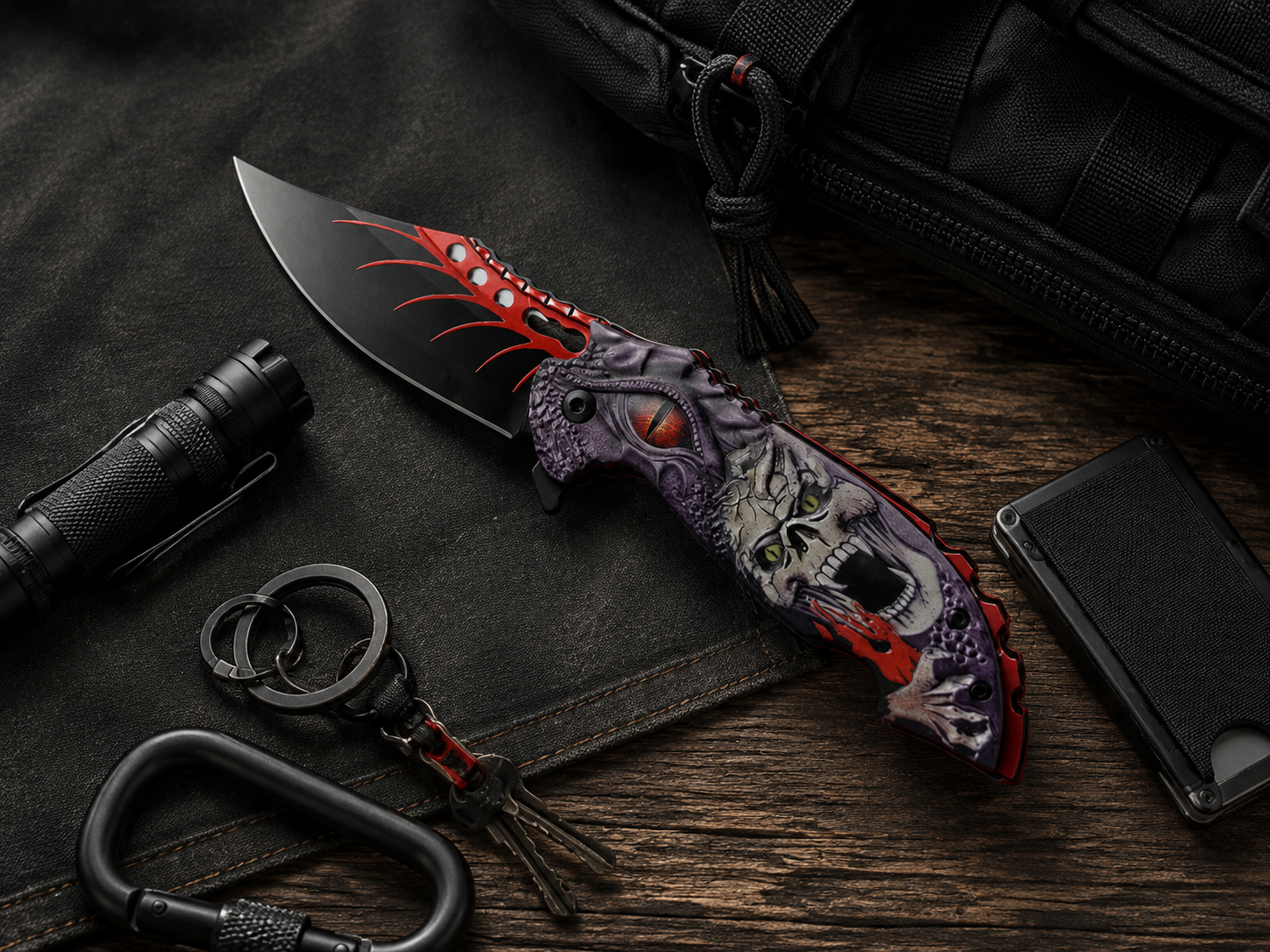
For everyday carry (EDC) enthusiasts and outdoor adventurers, a well-designed folding knife is one of the most versatile tools available. However, navigating blade steels and locking mechanisms can be overwhelming.
Common Blade Steel Categories Blade steel dictates edge retention, toughness, and corrosion resistance:
- Budget / Practical: E.g.,
D2,8Cr13MoV. Great value and easy to resharpen, though D2 requires basic maintenance against rust. - Mid-to-High End All-Rounders: E.g.,
VG-10,154CM,S30V. Strikes an ideal balance between rust resistance, edge life, and toughness for daily tasks. - Premium Powder Steels: E.g.,
M390,CPM-20CV,MagnaCut. Exceptional edge retention and high corrosion resistance, requiring minimal maintenance.
Essential Locking Mechanisms Safety is paramount in folding knife design. Popular locks include:
- Liner Lock: The most common design, using an internal leaf spring against the blade tang. Simple and easy to operate one-handed.
- Frame Lock: Uses a section of the thick handle frame itself to wedge the blade open, offering robust strength for heavier cutting tasks.
- Axis / Crossbar Lock: Uses a spring-loaded crossbar for ambidextrous, smooth, and secure lockup.
Choosing Your First EDC Folder For opening packages, light outdoor work, or daily tasks, aim for a blade length around 2.7–3.5 inches (7–9 cm) featuring a pocket clip and one-handed deployment.